
Movement, mobility and functional independence
Stroke and neurological rehabilitation
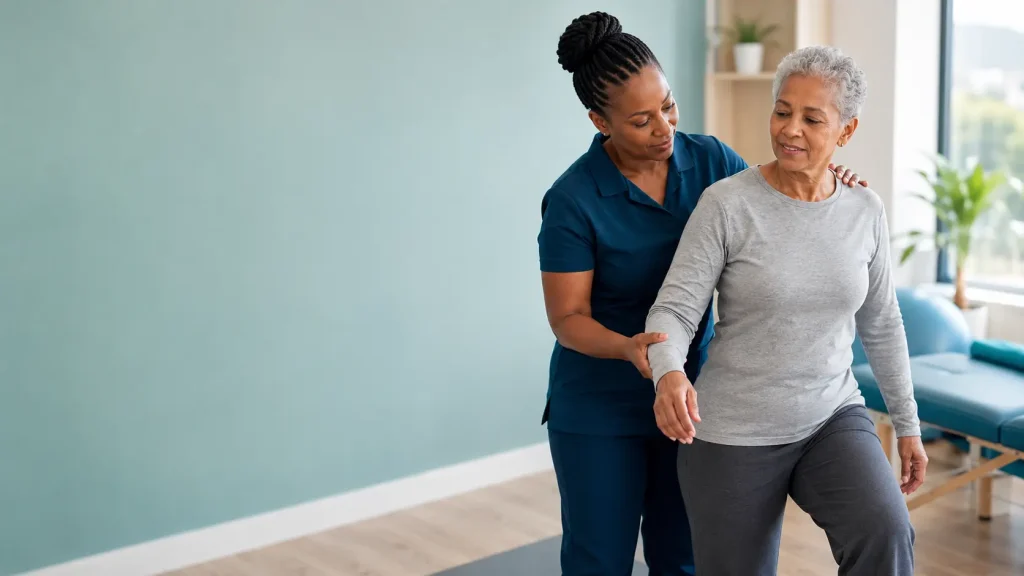
Individual neurological physiotherapy at the Bryanston practice or at home, focused on meaningful daily goals after stroke or with another neurological condition.
A clear first stepYour first appointment focuses on understanding the problem and agreeing on a practical plan.
Individual careAssessment and plan tailored to you
Bryanston practiceWellness of Being, 340 Main Road
Clear fees and benefitsPlan rules and patient responsibility apply
Direct contactPhone, WhatsApp or appointment form
Understanding the service
Rehabilitation is built around the activities that matter in daily life.
Neurological physiotherapy may address movement, balance, walking, transfers and functional independence when the brain, spinal cord or nerves have been affected.
Goals are set with the patient and family, then reviewed as abilities and priorities change.
Who this may be for
Conditions supported
Treatment is adapted to the diagnosis, medical stability, current abilities and home circumstances.
Stroke rehabilitation
Parkinson’s disease
Multiple sclerosis
Traumatic brain injury
Spinal-cord injury
Guillain-Barré syndrome and other neurological conditions
What to expect
A clear process from first assessment to progress review.
Listen and assess
Discuss the problem, relevant history, daily demands and the goals that matter to you.
Explain the findings
Receive a clear explanation of what was found and which factors may be contributing.
Begin the plan
Treatment may start when appropriate, with practical guidance for the time between visits.
Review and progress
The plan is adjusted according to response, function and the next stage of your goals.
The approach
Task-focused neurological rehabilitation
Sessions use repeated, meaningful practice to work on movement and daily function. The plan may include mobility, balance, strength, coordination and strategies for safer movement.
The pace and level of assistance are adapted to the person, with clear guidance for carers where appropriate.
Bed mobility, transfers and walking practice
Balance, coordination and falls-risk management
Strength and endurance for daily tasks
Carer education and a practical home programme
Home-based rehabilitation
Home visits can reduce the burden of travel and allow treatment to focus on the actual bed, chair, bathroom, stairs and other spaces used every day.
Support for carers
Carers may receive guidance on safer assistance, positioning and suitable practice between sessions. Recommendations are tailored to the patient’s needs and the home environment.
Progress over time
Recovery differs from person to person. Goals are reviewed regularly so that the programme remains realistic, useful and connected to daily function.
Important
New stroke symptoms need emergency care
Sudden facial weakness, arm weakness, speech difficulty, loss of balance or other new neurological symptoms require urgent medical assessment. Do not use the appointment form for an emergency.
Practical answers
Questions patients commonly ask
These answers are general. Your assessment and medical-aid rules may change what applies in your situation.
When can physiotherapy begin after a stroke?
Rehabilitation often begins as soon as the medical team considers it safe. Timing depends on medical stability and the person’s condition. Community or home-based treatment can continue after discharge.
Is it too late to make progress after a stroke?
Progress can occur at different stages of recovery. The type and rate of change differ between people, but a focused programme can still address mobility, function and confidence well beyond the early months.
Are home visits available?
Yes. Selected home visits are available when travelling is difficult or when treatment in the home environment is clinically useful. Location, availability and travel fees are confirmed before booking.
Can family members attend the assessment?
Yes. Family or carers can provide useful information and learn how to support the treatment plan, provided the patient consents or their involvement is otherwise appropriate.
Related care
Other services that may be relevant

Individual care in the patient’s own environment
Home visit physiotherapy in selected Gauteng areas
Explore this service →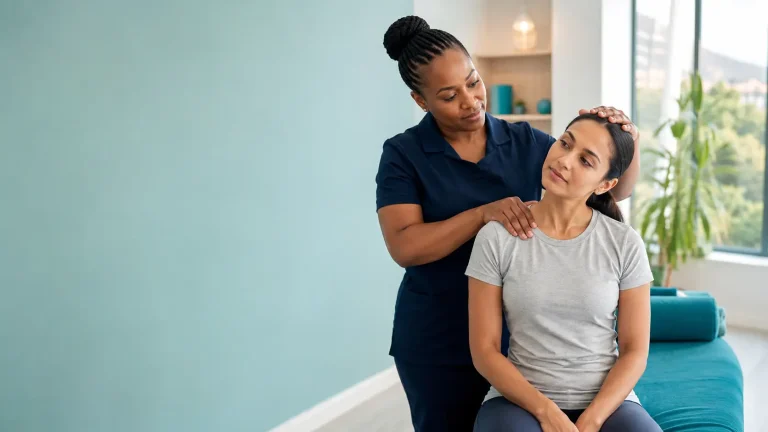
Pain, injury and movement care
General physiotherapy in Bryanston
Explore this service →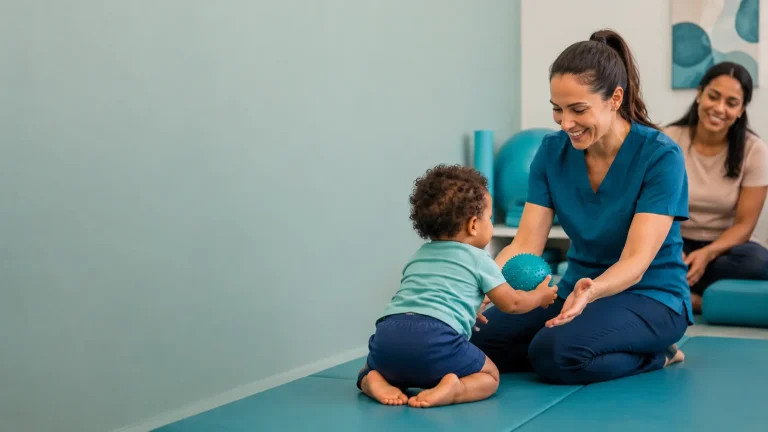
Movement support for babies, children and teenagers
Paediatric physiotherapy in Johannesburg
Explore this service →Move from uncertainty to a clear next step
Request an individual assessment and a plan based on your symptoms and goals.
Appointments are available at the Bryanston practice, with selected home visits where appropriate.