
Gentle swelling and lymphoedema management
Manual lymphatic drainage physiotherapy
Individual assessment and gentle manual lymphatic drainage for selected swelling, lymphoedema and post-operative recovery needs.
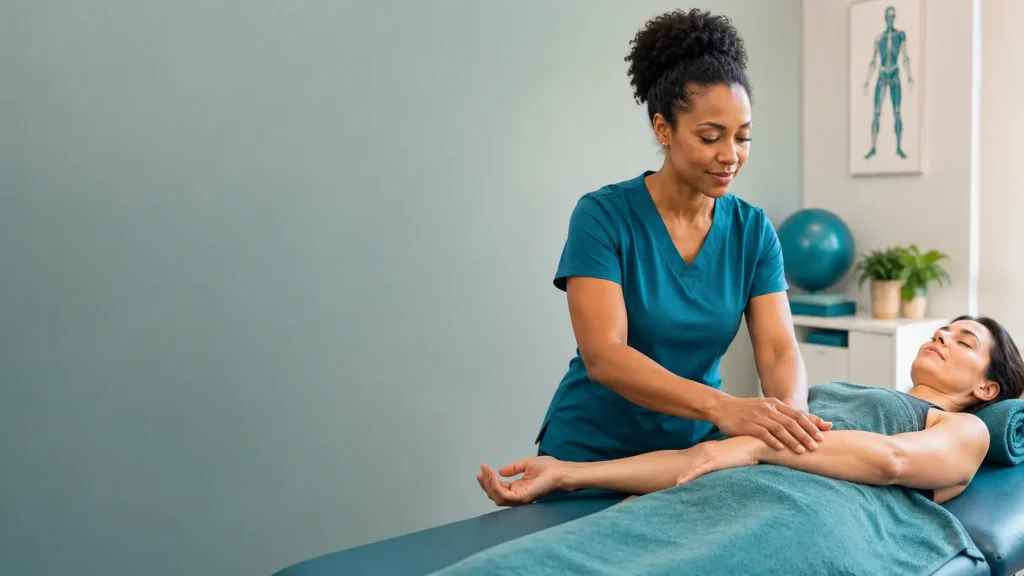
A clear first stepYour first appointment focuses on understanding the problem and agreeing on a practical plan.
Individual careAssessment and plan tailored to you
Bryanston practiceWellness of Being, 340 Main Road
Clear fees and benefitsPlan rules and patient responsibility apply
Direct contactPhone, WhatsApp or appointment form
Understanding the service
Manual lymphatic drainage is specific, light and guided by the pattern of swelling.
Manual lymphatic drainage uses gentle, rhythmic techniques intended to support fluid movement through the lymphatic system. It is different from deep-tissue or relaxation massage.
An assessment is required to understand the cause of swelling, identify precautions and decide whether manual treatment, compression, exercise or medical review is appropriate.
Who this may be for
Presentations that may be assessed
Treatment is selected according to the cause, severity and medical context of the swelling.
Primary or secondary lymphoedema
Swelling after breast surgery or mastectomy
Post-operative swelling after medical clearance
Persistent swelling in an arm or leg
Swelling during cancer rehabilitation
Compression and home-management guidance
What to expect
A clear process from first assessment to progress review.
Listen and assess
Discuss the problem, relevant history, daily demands and the goals that matter to you.
Explain the findings
Receive a clear explanation of what was found and which factors may be contributing.
Begin the plan
Treatment may start when appropriate, with practical guidance for the time between visits.
Review and progress
The plan is adjusted according to response, function and the next stage of your goals.
The approach
Treatment may combine several forms of swelling management
Manual techniques may be combined with movement, compression guidance, positioning and practical self-management strategies.
The plan depends on the diagnosis and may require coordination with the surgeon, oncologist or another member of the medical team.
Assessment of swelling and relevant medical history
Gentle manual lymphatic drainage where suitable
Compression and movement guidance
Home strategies and monitoring of response
What a session feels like
The pressure is light and the sequence is specific. The session should not feel like a deep massage. Clothing and positioning are adapted to the area being treated.
After surgery
Post-operative treatment begins only when it is medically appropriate. The surgeon’s guidance and any wound, infection or clotting concerns take priority.
Long-term lymphoedema care
Ongoing conditions may require a broader management plan rather than isolated manual sessions. Compression, skin care, movement and monitoring may all be relevant.
Important
Some swelling needs urgent medical assessment
New one-sided swelling, redness, heat, severe pain, shortness of breath or fever may indicate a medical problem. Seek urgent medical care rather than booking routine lymphatic drainage.
Practical answers
Questions patients commonly ask
These answers are general. Your assessment and medical-aid rules may change what applies in your situation.
How is lymphatic drainage different from massage?
Manual lymphatic drainage uses light, specific techniques intended to support lymph flow. It is not a deep massage and has a different purpose.
Can it be used after surgery?
It may be considered after surgery once it is medically appropriate. The timing depends on healing, the procedure and the surgeon’s guidance.
How many sessions will I need?
This depends on the cause and severity of swelling. Some patients need a short course, while lymphoedema may require a longer management plan with compression and home care.
Is it appropriate after cancer treatment?
It is commonly considered within cancer rehabilitation, but treatment must be based on medical history, current health and coordination with the treating team where needed.
Related care
Other services that may be relevant
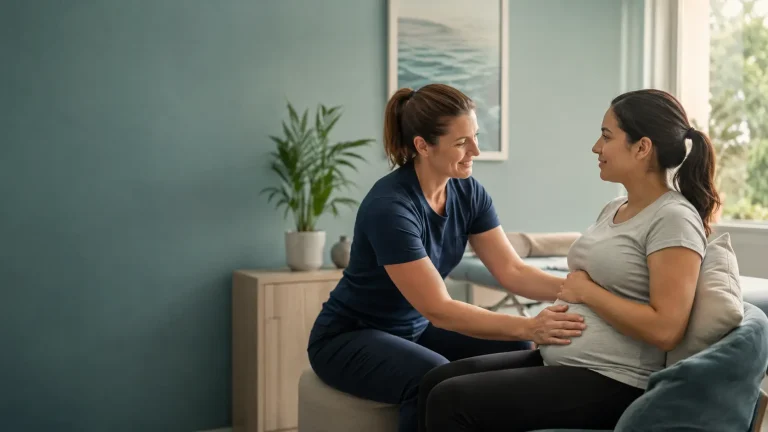
Private pelvic-health, pregnancy and postnatal care
Women’s health physiotherapy in Johannesburg
Explore this service →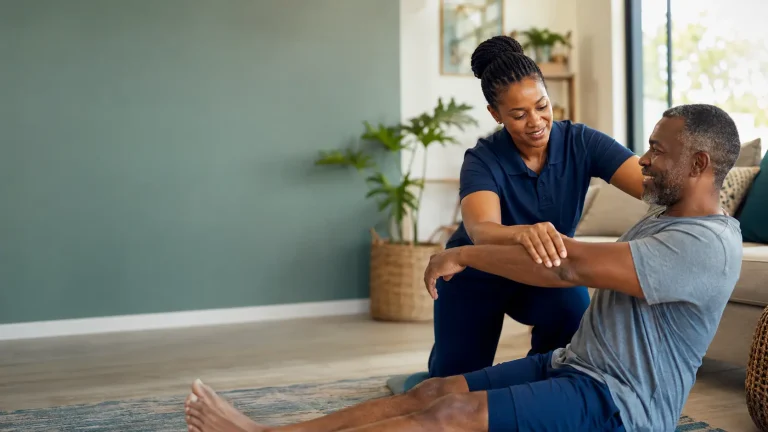
Individual care in the patient’s own environment
Home visit physiotherapy in selected Gauteng areas
Explore this service →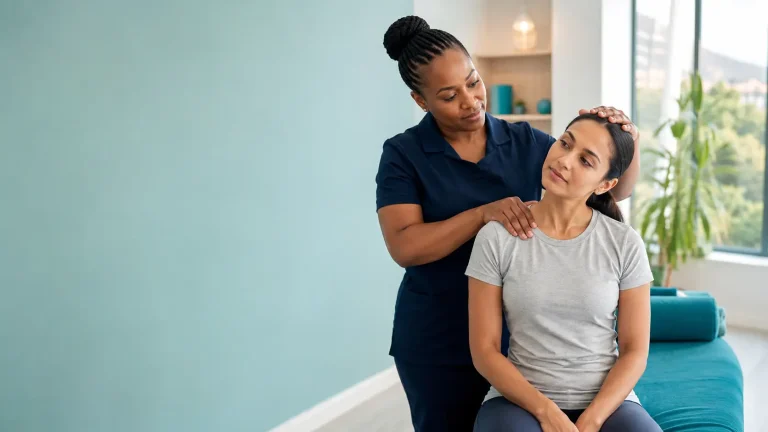
Pain, injury and movement care
General physiotherapy in Bryanston
Explore this service →Move from uncertainty to a clear next step
Request an individual assessment and a plan based on your symptoms and goals.
Appointments are available at the Bryanston practice, with selected home visits where appropriate.